From curiosity to consumption: Understanding consumers’ perception of alternative proteins
Why consumer acceptance matters
Global demand for alternative protein sources is growing, as food systems face increasing pressure from population growth, environmental challenges and the need to strengthen long-term food security and resilience. Against this backdrop, the InnoProtein project was launched in June 2023, with the aim to address Europe’s shortage of locally produced, sustainable protein by developing new food and feed products from alternative sources such as microalgae, fungi, bacteria and insects.
However, food science innovation does not happen in isolation. For new products to succeed, they must also respond to consumer expectations, perceptions and concerns. As part of the InnoProtein project, a total of 444 consumers in France, Germany and Spain were surveyed, to better understand whether people are willing to try alternative proteins, what influences their purchasing decisions, and how they perceive the four different protein sources covered by the project’s scope: microalgae, fungi, bacteria and insects.
Alternative proteins through the eyes of consumers: What our survey revealed
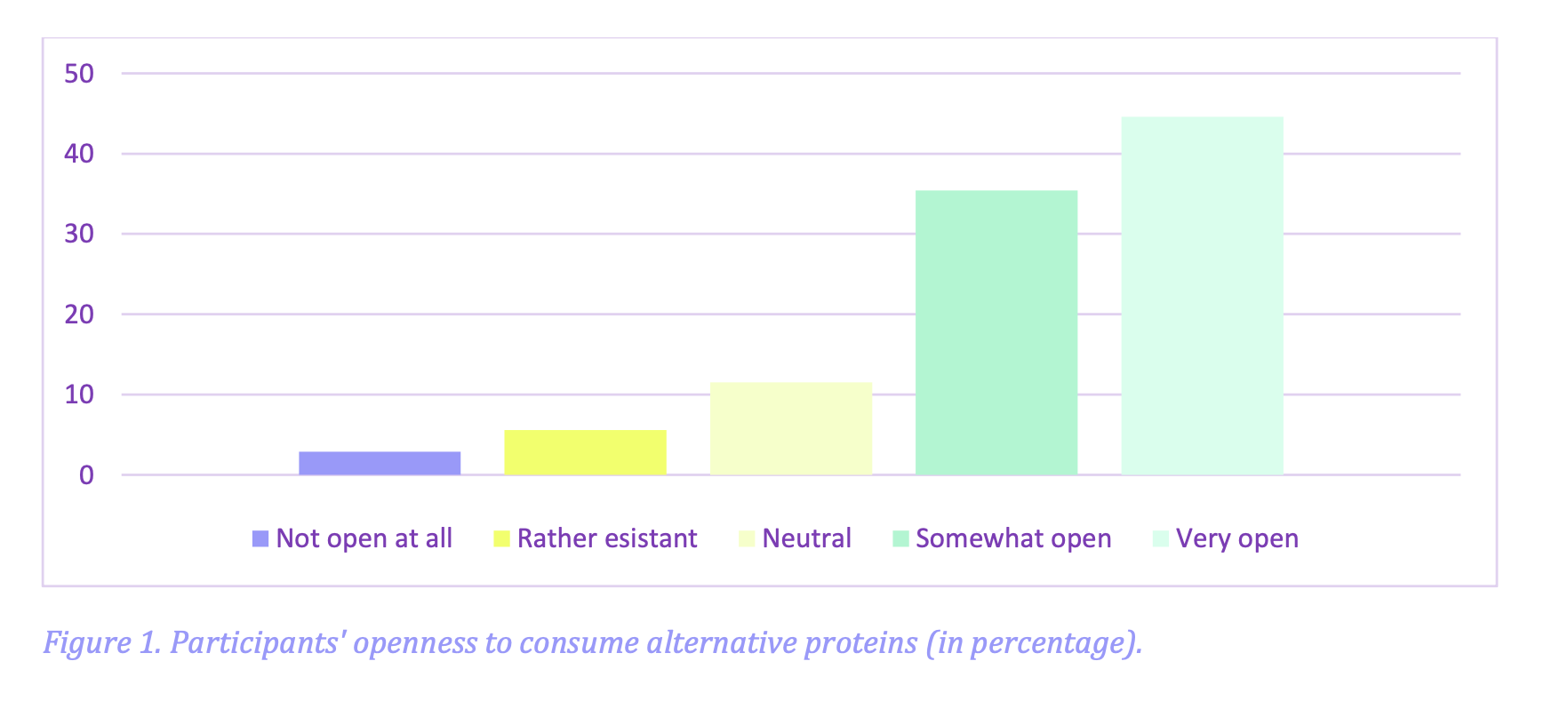
Overall, consumers showed moderate openness to alternative proteins. Nearly four in five participants said they were somewhat or very open to trying non-animal-based proteins, while only around one in ten were unwilling to do so. Younger consumers, flexitarians and vegetarians were generally more receptive compared to meat eaters.
However, openness alone is not enough. Taste and price remained the most important food purchasing factors, followed by health and texture. The need for transparency and clear information about protein sources, health benefits and safety certifications was also consistently highlighted as crucial for building consumer trust.
Consumer perceptions differed considerably between protein sources. Microalgae were the most positively received, often perceived as natural, safe and sustainable. Fungal proteins also performed relatively well, although many consumers were still unfamiliar with them.
Bacterial and insect proteins faced greater resistance. Bacterial proteins were often associated with hygiene and health concerns, suggesting a need for clearer information about their safety and benefits. Insect proteins received the strongest negative reactions, often linked to aversion and cultural barriers, despite almost one in three participants having tried them before.
Across the different protein sources, protein powders and savory snacks emerged as the most consistently preferred product formats, suggesting that consumers are more willing to engage with alternative proteins when they are offered in familiar, convenient products where the novel protein source is less prominent.
The findings show that there is clear interest in alternative proteins, but consumer perceptions vary across protein sources. Understanding these differences will be crucial for tailoring products and messaging accordingly. Moreover, success of alternative proteins will largely depend on products that deliver on taste and price, while also providing clear, transparent information about health benefits and safety.